

The vietnamreview . net search leads to vietnamreview.net, a blog of guides on living in Vietnam, Vietnamese food and top destinations. Written without spaces, the address is vietnamreview.net. If its guides are not what you need, official travel advice, expat communities and printed guidebooks make good alternatives.
| What is the site? | A blog about Vietnam: living, cuisine and destinations |
| Correct spelling | vietnamreview.net, with no spaces |
| Named writers | Manel Joli (living guides) and Dafel Mion (cuisine and destinations) |
| Best for | Early ideas on moving, eating and visiting |
| Not suited to | Visa, legal or safety decisions without a second source |
What is vietnamreview?
The home page greets visitors with “Discover the Best of Vietnam” and the line “Your Ultimate Guide to Vietnamese Cuisine, Living, and Destinations”. A short “Get to know us!” block says Vietnam Review is a go-to resource for everything about Vietnam, for foodies, people curious about living there and travellers choosing places to go.
The menu mirrors those three themes: Vietnam Living, Vietnamese Cuisine and Top Destinations, followed by About and Contact. Some visitors type vietnamreview. net with the dot attached to the first word instead of the second, or vietnamreview . net with spaces on both sides. Both are mistyped forms of the same single address.
The tone is that of a friendly explainer. The pages read do not use scores, star ratings or formal review methods, despite the word “review” in the name, so the site reads more as a guide than as a reviewer of hotels, restaurants or tours.
How does vietnamreview compare with official sources?
The living guides are the site’s core. Titles include a guide to navigating a retirement visa in Vietnam, an essay on Vietnam standard time with adjustment tips, an essential guide to moving there covering culture, visas and housing, a look at how safe the country is for Americans, and a list of the advantages and disadvantages of living in it.

These are the topics where an official source beats a blog. Visa rules and safety advice change, and a government immigration page or an embassy notice carries authority that a general guide does not. The site is a useful way to learn what questions to ask; it is a weaker place to find the current answers.
A simple test applies to every living or travel guide on the site. Ask whether the page names an authority for any rule it states, and whether it shows when it was last checked. The cards seen show neither, so a careful reader would copy the rule into a search of the official page and confirm it before planning around it.
What else could you read instead of vietnamreview?
Different needs call for different kinds of source. Names are left out here on purpose, because the research looked only at this one site.
- Government travel advice and immigration pages: the right first stop for entry rules, health notices and safety. Slow to read, but authoritative.
- Embassy and consulate pages: useful for residents, with notes on registration and local services.
- National tourism boards: good for events, regions and official attractions, though promotional in tone.
- Expat communities and forums: current, personal and practical, but unchecked; compare several answers before acting.
- Printed or paid guidebooks: edited and mapped, best for itineraries, though prices and opening times date quickly.
- Local news outlets: best for developments such as transport changes or weather, with language as the barrier.
Where does vietnamreview.net fit in that mix?
It sits between a forum and a guidebook: written by named authors, arranged by theme, with plain how-to headings. It also carries a reader-testimonial block in which a self-described expat says the site has been incredibly helpful. The pages read do not show who the testimonial writers are, so treat that as the site’s own claim.
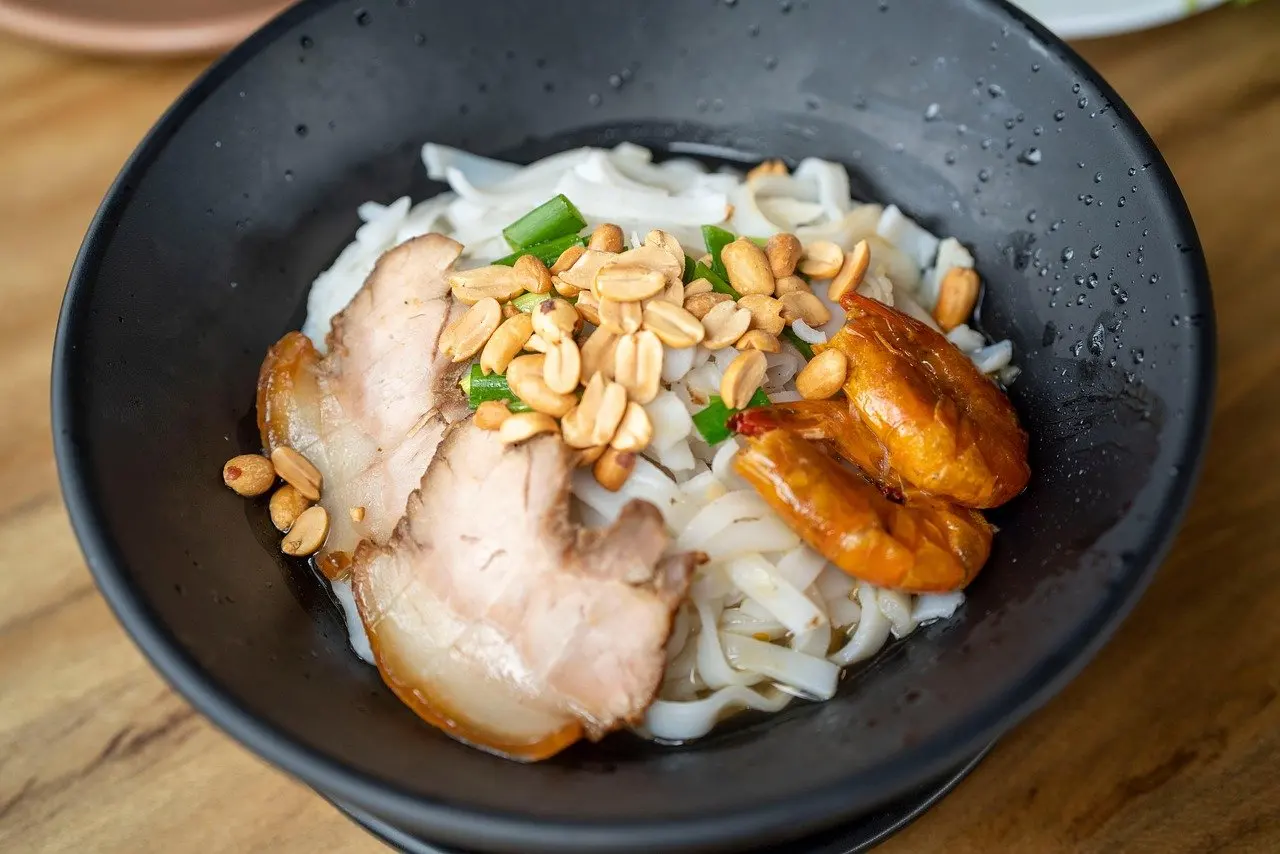
On the food side the site offers a guide to cooking a bánh mì, a piece on why Vietnamese cuisine stands out, and restaurant-style profiles with titles that name specific eateries. Destination articles include famous tourist spots, planning a first trip and a guide to golf courses. Where a piece names a business or a price, check it with the business itself.
Compared with the alternatives above, the site’s main advantage is breadth in one place: living, cuisine and destinations under one roof, in a plain layout. Its main disadvantage is the lack of visible sourcing. A reader who wants both should read here first for orientation, then move to official and local sources for specifics.
What does vietnamreview not say?
The pages read give no owner, editor, address or phone number, and the About and Contact text did not come through in the research. Dates are missing from the cards seen. A few headlines stray from the three themes, covering the connections between France and Vietnam and sports bars, which suggests a broad blog rather than a tight travel guide.
A reader should also know what the site is not. It does not appear to sell tours, flights or accommodation, and no booking tool showed in the text. There is no sign-in, and nothing asks for payment. That keeps the risk low, although it also means no one is accountable for the details in a guide if they turn out to be wrong.
Questions about vietnamreview and its alternatives
Is vietnamreview.net an official tourism site?
Nothing says so. It presents itself as an independent resource.
Can I rely on it for visa advice?
Use it for background only, then confirm with the official immigration authority.
Which alternative is best for moving there?
Official immigration pages plus expat communities, since one gives the rules and the other the lived detail.
Which is best for food ideas?
A mix of this blog, printed guides and local recommendations once you arrive.