Should you give money to children begging? ChildSafe’s traveler guidance says no, even though the urge to help is kind. Support local services instead.
This guide is part of our look at responsible tourism for families, and it covers one everyday dilemma on the road.
| Item | Value |
|---|---|
| Traveler tips in ChildSafe’s series | 7 tips |
| Effect of giving to begging children, per ChildSafe | Encourages continued begging and keeps children from school |
| Buying goods or services from children | Not advised |
| Suggested alternatives | Vocational training restaurants, social enterprises, organizations supporting families |
| Primary school in India (Traveller article, 2017) | Provided free by the government |
These figures and claims come from ChildSafe’s traveler page and a Traveller.com.au article. Guidance can change, so check the sources before you rely on them.
Why giving to children who beg can backfire
Many travelers meet children begging at crossroads and tourist sites, and wanting to help is natural. ChildSafe’s traveler page sets out 7 tips and warns that good intentions can still have a negative impact on the lives of those children.
The reasoning is direct. According to ChildSafe, handing over money, food or gifts, or buying anything from a child, encourages the child to keep begging. That keeps children out of school and locks them into a cycle of poverty.
ChildSafe places this habit in a wider group of well-meant behaviors that it says keep children in poverty or even in abusive situations:
- visiting orphanages or schools
- visiting slums
- giving money or food to begging children
The page also offers a simple test: if you would not do something back home, do not do it while you travel.
Better Care Network’s library entry describes the ChildSafe network as managed by Friends International. This site is independent and has no affiliation with either organization.
What about buying postcards, fruit or services from children?
ChildSafe describes children selling postcards or fruit at tourist sites and shining shoes in train stations. Its advice on this is short: do not buy goods or use services offered by children, as stated on its traveler page.
The page adds some nuance. Many of these children are simply helping their parents after school, but some may be exploited. If you suspect a business employs underage children, ChildSafe suggests contacting a child protection hotline, a local organization or the police.
Our explainer on child labour in tourism covers the wider picture for families.
What a tour manager in India says
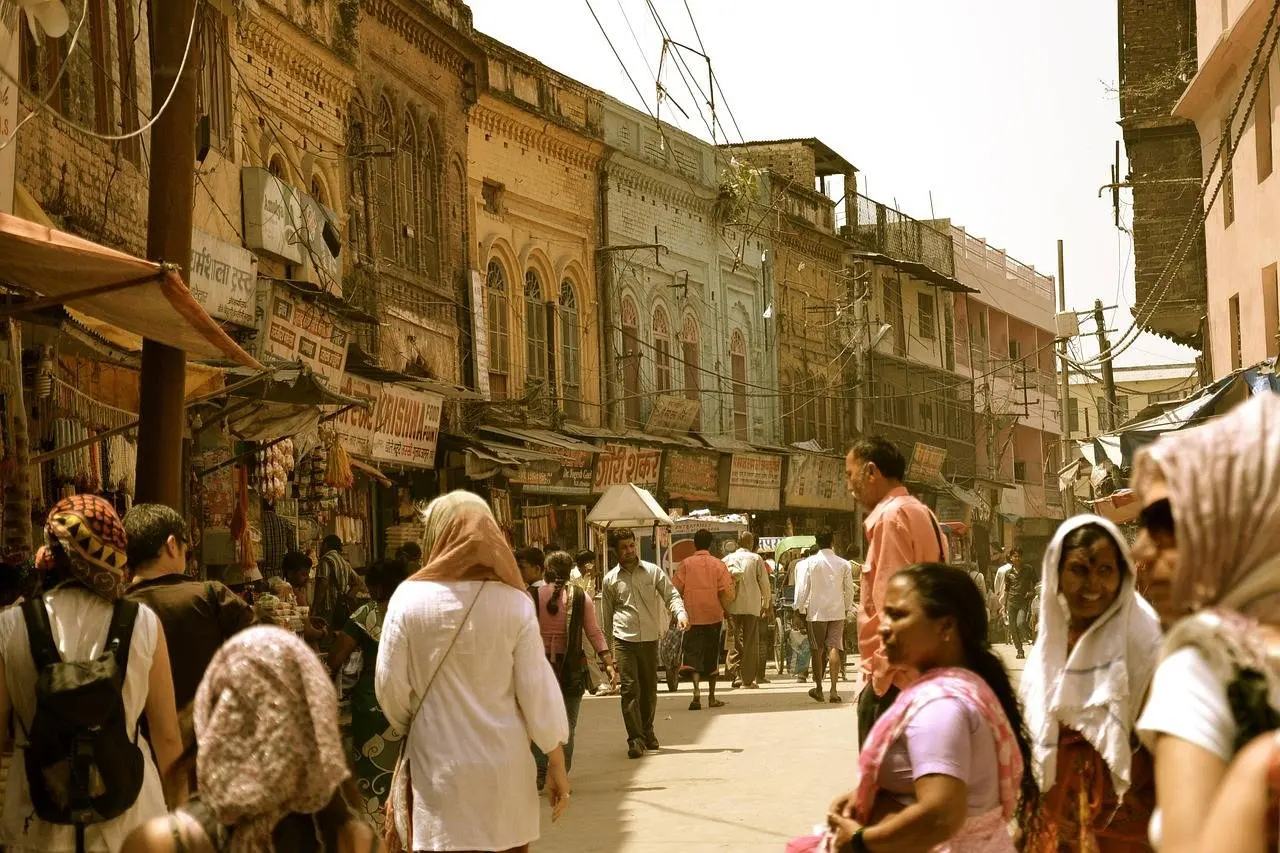
A Traveller.com.au article published on July 28, 2017 quotes Pravin Tamang, general manager for Intrepid Travel in India. He says the company does not encourage travellers to buy items from child sellers or to give money or food to children begging.
His stated reason is that doing so prevents children from reaching support services meant to keep them safe, healthy and at school. He also points out that primary school education is provided free by the government in India.
He describes this type of begging in India as a “criminal racket”. That is one manager’s account of one country, so treat it as an example from one place and not a rule for every destination.
Better ways to help children while you travel
ChildSafe’s answer is to redirect the impulse to help, not to suppress it. Its traveler page suggests three routes:
- Use businesses that make a positive impact on the local community, such as vocational training restaurants and social enterprises.
- Donate to organizations that support children and their families.
- Look up the country-specific tips that ChildSafe also publishes for some destinations.
If you book through a tour company, our notes on the child safeguarding policy tour operators publish can help you decide what to ask before you go.
If a child seems to be at risk
When you see a child in trouble, the natural reaction is to step in yourself. ChildSafe cautions that you may not know the local realities, may lack the expertise, could put yourself at risk, or might even break local laws.
Its suggestion is to call local professionals instead: a child protection hotline, a local organization or the police. The page says it keeps a list of hotlines, so use that page for numbers, since this site publishes none and cannot give legal advice.
Frequently asked questions
Is giving food different from giving money?
Show answer
Not according to ChildSafe, which names food in the same sentence as money and gifts. Its suggested route is to back businesses or organizations that serve children and families.
What if saying no feels guilt-inducing?
Show answer
The Intrepid manager quoted by Traveller says he finds it especially challenging not to want to help when a child is asking. He still chooses not to give, and you can channel the same feeling into one of the alternatives above.
Does this advice apply in every country?
Show answer
ChildSafe’s tips are written for travelers in general, and its page links country-specific versions. The quotes from Intrepid concern India only, so local organizations remain the best guide to your destination.
Does this site take reports about a child’s situation?
Show answer
No. This is an independent editorial site, not a hotline, charity or child-protection organization, and it takes no reports or donations. Use the local routes ChildSafe names, which are a hotline, a local organization or the police.