Worried about who looks after children on your trip? Look for a child safeguarding policy tour operators can show you in writing. It should cover risk checks, staff training and supervision.
This guide is part of our wider series on responsible tourism for families.
| Item | Value |
|---|---|
| Companies implementing The Code criteria, as of March 2023 | More than 400 |
| What The Code provides to the industry | Awareness raising, tools and support |
| Sector measures named by the UN page | Staff training, “zero-tolerance” policies, due diligence, strong reporting mechanisms |
| Checks one company’s volunteer guidelines require of operators | Child protection policy and criminal records checks (or equivalent) |
| Where child sexual exploitation in travel and tourism can happen | Any kind of venue, in any country |
These figures come from the UN Special Representative’s travel and tourism page and a Better Care Network summary of volunteer guidelines. They can change, so check the source before you rely on them.
Why a written policy matters when you travel
Travel settings can carry higher risk for children than home life does. The UN Special Representative on violence against children says the sexual exploitation of children in travel and tourism can happen in any kind of venue or location and in any country in the world, and that as traveller numbers increase, so too do the risks to children.
The same page warns that, in the drive to meet growing demand, businesses in the sector may neglect the measures required for protecting children. A tour operator touches hotels, transport and local partners, so what it puts in writing tells you something about how it plans for them.
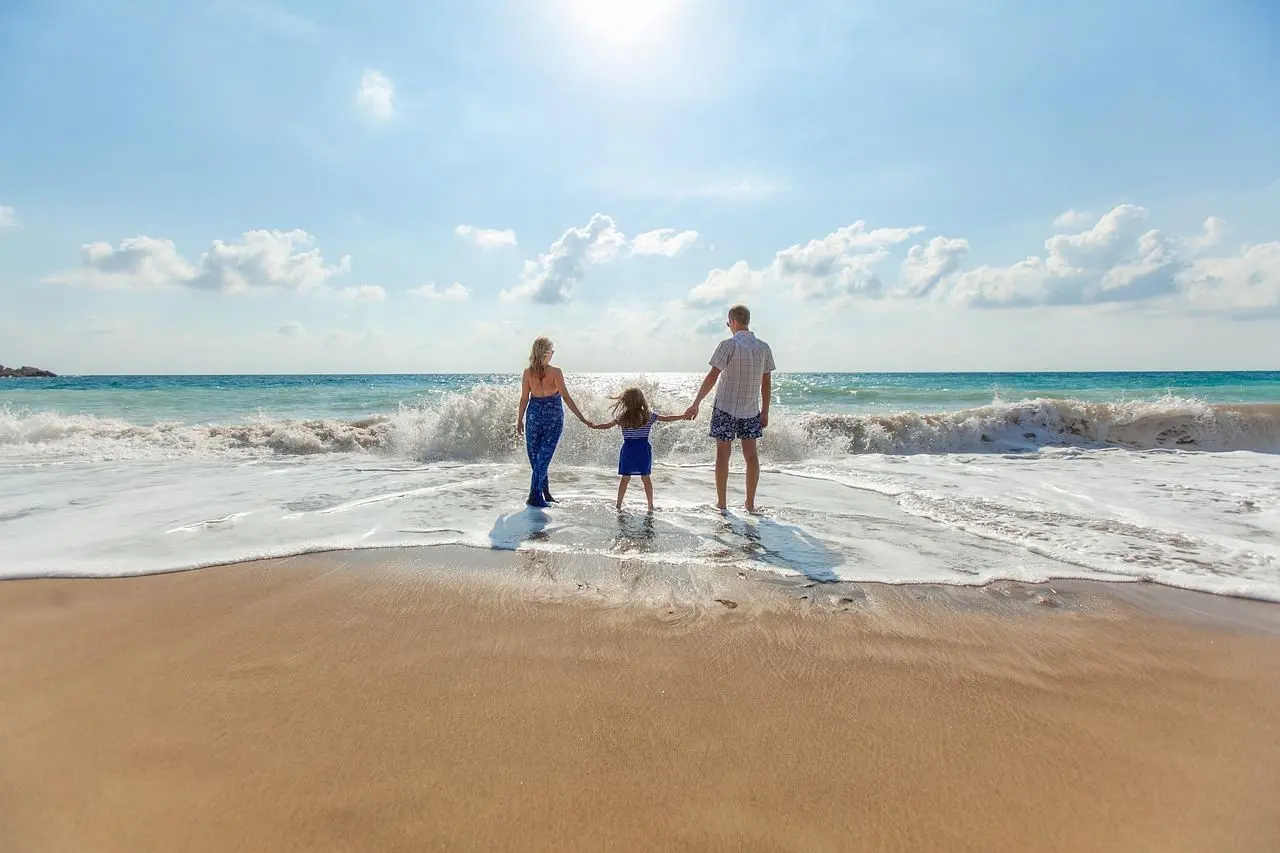
A policy is not a guarantee. It is a starting point that lets you ask clearer questions and compare one company with another.
What a solid child safeguarding policy should cover
The UN page lists measures the travel and tourism sector had put in place before the pandemic. It is a useful yardstick for judging whether an operator has done real work or only written a page.
According to the UN Special Representative, these encompass child protection measures in services and infrastructure, staff training and “zero-tolerance” policies, regular due diligence and impact assessments on children’s rights, strong reporting mechanisms, and cooperation with law enforcement. Read against that list, look for these elements in an operator’s policy:
- Risk assessment: does the operator say how it checks the places, partners and activities in your itinerary?
- Due diligence: does it explain how it vets hotels, guides, drivers and local suppliers?
- Staff training: does it say who is trained, and in what?
- Reporting: does it explain how a concern is raised and passed on?
- Accountability: does it name a person or team responsible for the policy?
The last point is practical advice rather than a quote from the source, but a policy with no named owner is hard to hold to account.
Questions to ask before you book
You do not need to be an expert. A short message to the operator will often show you how seriously the policy is taken.
- Can you send me your child safeguarding policy in writing?
- How are staff and guides trained on child protection?
- How do you check the hotels, transport firms and local partners you use?
- What are your rules for guests who meet local children on a tour?
- Who do I contact if I have a concern during the trip?
A clear, prompt answer is a good sign. A vague reply, or none at all, tells you something too.
Is the operator part of a recognised initiative?
Some operators join industry programmes. The UN page describes The Code of Conduct for the Protection of Children from Sexual Exploitation in Travel and Tourism as a global, multi-stakeholder initiative that provides tools and support to the travel and tourism industry. It says that as of March 2023, more than 400 member companies were implementing the Code criteria (UN Special Representative).
Membership of a programme is one signal you can check. It does not replace reading the operator’s own policy, and this site is independent of The Code.
Volunteering and orphanage visits need extra care
If a trip includes volunteering, look harder at the safeguards. The UN page says voluntourism with and for children, including in orphanages and alternative care settings, brings travellers and children into closer contact than more traditional forms of tourism.
Better Care Network summarises guidelines one travel company issued for volunteer trips it promotes. They stipulate that volunteer operators must have a child protection policy in place and conduct criminal records checks (or equivalent), and that partner organisations must have clear reporting mechanisms for child protection concerns (Better Care Network). The same guidelines say only people with professional qualifications and experience are allowed to volunteer.
The ChildSafe traveler tips add that working with children in institutions such as orphanages is a job for local experts, not for travelers who are just passing through. If an operator offers short stints with children and mentions no safeguards, treat that as a reason to ask more questions or choose a different activity.
Policies at the family level
A good operator policy works best when your family follows similar habits. The same volunteer guidelines say clear media, photography and publishing guidelines must be in place to govern the use of children’s images and personal information.
Our guide to ethical photography of children while traveling covers how to treat other people’s children when you have a camera. Another guide looks at should you give money to children begging and what to do instead.
If a child seems to need help while you are away, the ChildSafe tips say to call a child protection hotline, contact a local organization or the police, and not to put yourself at risk.
Frequently asked questions
What is a child safeguarding policy for a tour company?
Show answer
It is a written set of rules describing how the company aims to keep children safe in its trips, from vetting suppliers to guiding guest behavior.
Should a small operator have one too?
Show answer
Size should not matter. The UN page says companies involved in travel and tourism must incorporate child protection measures into their business models, including businesses that operate online and with the informal sector.
What if the operator will not share its policy?
Show answer
Treat the refusal as information. You can choose another company that is willing to put its approach in writing.
Does joining an industry initiative prove a trip is safe?
Show answer
No. Membership shows a company has chosen to engage with a programme, but you still need to read how it applies to your itinerary.