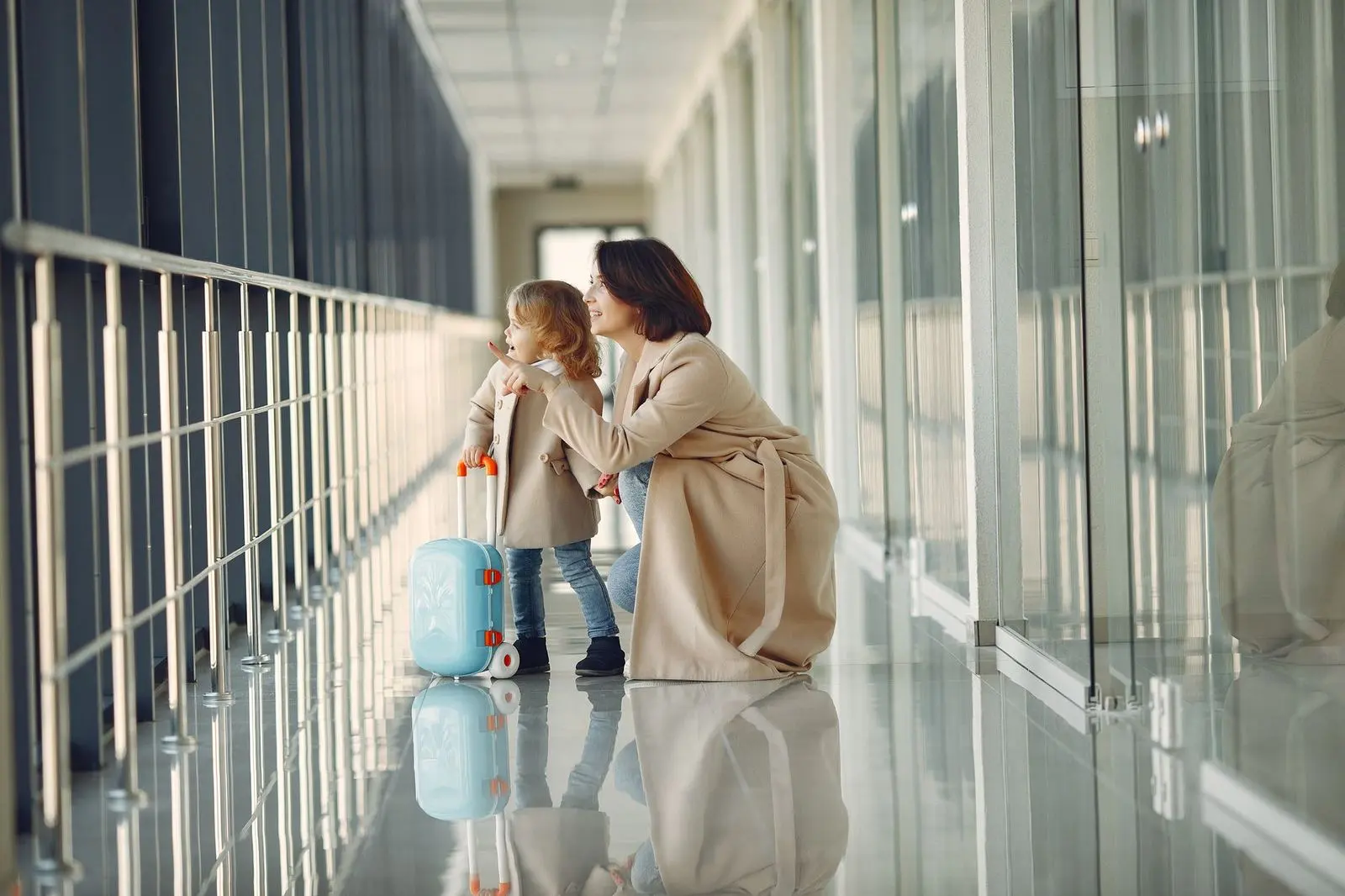
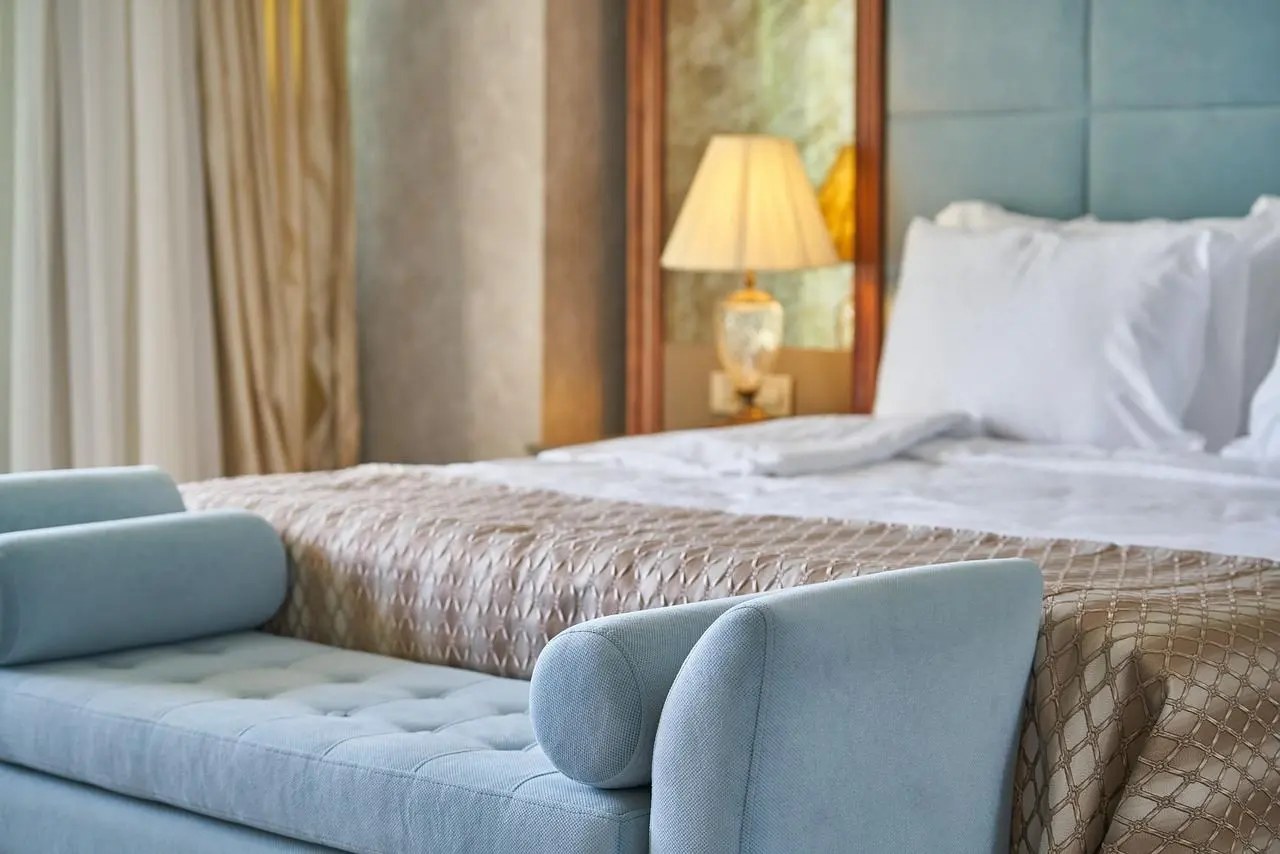
You want a hotel where your kids can relax and you can too. How to choose a child friendly hotel comes down to a few checks: secure entrances, safe sleep gear, pool and balcony safety, and asking before you book.
This guide is part of the wider topic of child safe family travel, with a focus on the hotel stay itself.
| Item | Value |
|---|---|
| Safe sleep gear | Ask for a portable crib or playard when booking |
| Breast milk in a hotel fridge | 39 degrees or cooler; up to 4 days |
| Drowning risk | Top cause of accidental death, ages 1 to 4 |
| Rental pool fence | At least 4 feet high, with self-closing and self-latching gates |
| Balconies | Avoid rooms with balconies for curious or climbing kids |
These figures come from the AAP’s HealthyChildren.org hotel guidance and a Washington Hospital health library page. Guidance can change, so check the sources before you rely on the figures.
Start with the building, not the room
A child friendly hotel begins with how guests get in. A guest post on the Safe Ride 4 Kids blog says hotels typically have interior corridors with rooms reached through a main lobby and secured entrances, while motels often have room doors that open straight onto the parking lot or exterior walkways.
Interior corridors add a layer of security, and lobby staff can see who comes and goes. You can judge much of this from photos and reviews before you reserve.
Before you book, look for:
- Recent reviews from family travelers that mention security or safety concerns (Safe Ride 4 Kids).
- 24-hour front desk staffing, which the same guest post suggests verifying (source).
- A layout with an interior corridor rather than doors that open onto an exterior walkway.
- Photos that look up to date, so you know what the room is really like.
Questions to ask the hotel before you book
A short call or email saves surprises later. The AAP guidance notes that many hotels and vacation rentals have portable cribs or playards available upon request, so ask when you are booking. The Safe Ride 4 Kids post adds that if the hotel has baby gear, you should reserve it, because supplies can run out in busy seasons.
Useful questions to put to the front desk:
- Do you have a portable crib or playard, and is it in good repair and up to current safety standards?
- Do you offer childproofing services, and what do they include?
- Can the mini bar be cleared out so we can use it as a fridge for milk or formula?
- Is a room without a balcony available, or are there childproof locks on the balcony doors?
On the fridge question, the AAP says refrigerators at 39 degrees or cooler can safely store breast milk for up to 4 days (AAP). Some hotels will also childproof a room before you arrive, so asking early tells you what to pack (Safe Ride 4 Kids).
How do you check pool and bathroom safety?
Water deserves your closest attention. A hospital health library page citing the American Academy of Pediatrics says drowning is the top cause of accidental death for children ages 1 to 4 (Washington Hospital).
At the pool, the AAP advises touch supervision in the water at all times, and reminds parents that drowning is quick and silent (AAP). Find out where the pools are before you settle in.
If you are renting a home with a pool or spa instead, the same hospital page says to confirm it is secured by a fence at least 4 feet high with self-closing and self-latching gates (Washington Hospital).
Inside the room, the AAP suggests keeping the bathroom door closed and considering a travel toilet lock. It also recommends using the deadbolt so a child cannot leave the room without you (AAP).
What to check in the room when you arrive
Start at floor level. The AAP suggests a safety crawl to look for pills, pens or other choking or poisoning hazards that may have rolled under beds or dressers, even though rooms are cleaned between guests (AAP).
Then look at what is new and tempting at your child’s level, such as phone cords, TV cords and lamp cords. A few minutes here is cheaper than a trip to urgent care.
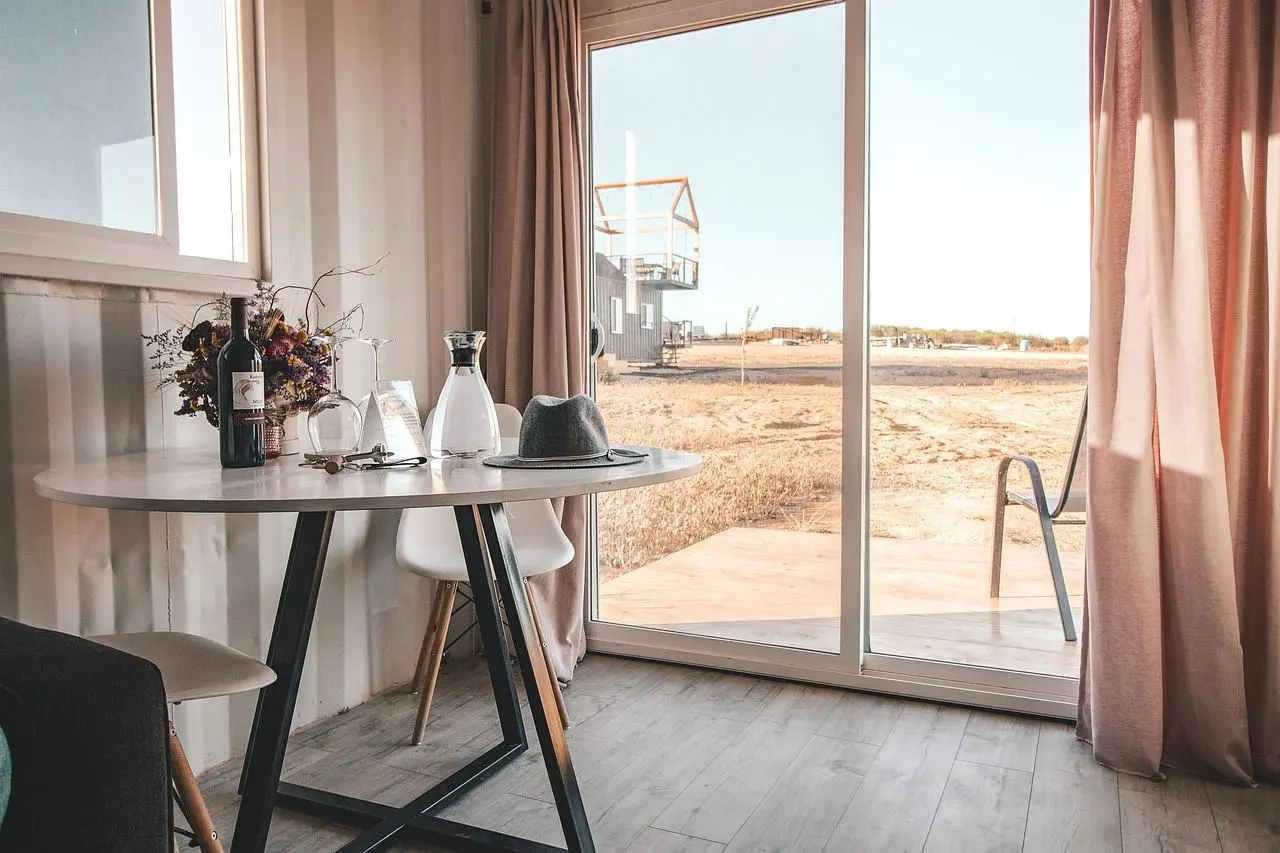
Work through the room with this list:
- Cords: duct tape or painter’s tape can tape up blind and window cords to prevent strangulation hazards (AAP).
- Televisions: push them away from the edge of their stands so they are harder to reach or pull off (AAP).
- Drawers: consider taping lower dresser drawers closed so they cannot be opened and climbed on (AAP).
- Balconies: the AAP says the best option for curious or climbing kids is to avoid rooms with balconies. If you do have one, check that a child cannot climb over or between the railing bars (Safe Ride 4 Kids).
- Locks: test that the bolt on the room door works and that any adjoining doors are locked (Safe Ride 4 Kids).
At check-in, the same guest post advises making sure the clerk does not announce your room number out loud. If they do, it suggests asking for another room.
Plan for wandering children and emergencies
Exploring is normal for children in a new place. The AAP suggests dressing them in bright colors that make them easy to pick out in a crowd, and walking the hotel yourself so you know the layout and where a child might head if they wander (AAP).
It also says to know where the exits and stairs are. For a child who might slip out, the Safe Ride 4 Kids post suggests an ID bracelet so someone can help get them back to you safely (source).
The AAP is clear that a child should never be left alone in the room, even with a monitor on and the room in sight, because devices can fail and delays happen. Hotels can often supply a list of local babysitting agencies if you need childcare.
The family travel safety checklist pulls these habits into one routine for the whole trip. If your journey starts at the terminal, the guide to airport safety tips with kids covers the stretch before you reach the hotel.
Hotel, motel or rental: does it change the checks?
The checks stay broadly the same, but the weak points move. The Safe Ride 4 Kids guest post says hotels are typically larger, more modern and often held to stricter safety codes than motels, and that the odds of staff with first aid training are generally better at a hotel (source).
That is a general pattern, not a guarantee, so judge each property on its own layout, reviews and answers. In a motel, plan for more vigilance around exterior doors; in a rental, ask about pools and whether heavy furniture is anchored against tipping over (Washington Hospital).
If anything about the place feels wrong, the guest post says it is fine to leave, even if that means losing a night’s rent.
Frequently asked questions
Is it ever fine to leave a child alone in the room for a few minutes?
Show answer
The AAP’s hotel guidance advises against it, whether or not a monitor is running. If you need an adult break or a meal out, use a hotel-arranged sitter or take the child with you (AAP).
What childproofing items are worth packing?
Show answer
The AAP suggests a few inexpensive plastic outlet covers and twist ties for cords, plus tape for outlets, cords, drawers and sharp table corners. Packing a toilet lock and a familiar crib sheet can help too (AAP).
What should I do if a room does not feel secure?
Show answer
Trust your judgment and speak to the front desk about moving rooms. If that does not settle your concerns, the Safe Ride 4 Kids post says you can simply leave (Safe Ride 4 Kids).
Where can my baby sleep safely in a hotel?
Show answer
The AAP recommends a portable crib or playard rather than your bed. Check it is in good repair, with no broken or missing parts or loose hardware, and keep it away from cords, lamps and anything that could fall (AAP).